
Information service of the Pontifical Mission Societies since 1927
Archdiocese of Cebu
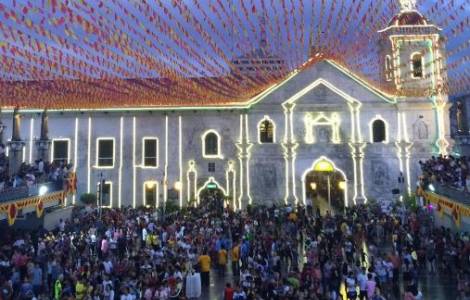
Cebu City (Agenzia Fides) – The celebrations for the Feast of the Santo Niño, which culminates on January 18 in the Archdiocese of Cebu, should not be financed by sponsors and donations from entities associated with gambling. This was the appeal made by Archbishop Alberto Uy of Cebu in a public statement. He urged the organizers of the Sinulog Festival, which accompanies the religious celebration, to reject contributions from casinos that see the large gatherings merely as an opportunity for profit. "My appeal is simple, but heartfelt: The Sinulog Festival should remain a celebration that truly reflects the joy, purity, and light of the Santo Niño. We can honor him not only with our dances, prayers, and celebrations, but also through the moral choices we make in organizing this sacred event," said Archbishop Uy. The festival organizers should choose partners “that are in harmony with the values of faith, family, culture, and community.” “There are many public and private institutions that can and want to support the festival without compromising its moral character,” he noted. Archbishop Uy reminded everyone that the Feast of Santo Niño is first and foremost a religious and spiritual celebration, and only secondarily a cultural and tourist event. “The Church,” he emphasized, “encourages families to give up destructive habits such as gambling” and therefore hopes that “the holy celebrations will not be financially supported by institutions associated with such habits.” Gambling halls, he reminded everyone, are “environments that can lead to addiction, the breakdown of families, financial losses, and moral confusion.” On the third Sunday of January, the city of Cebu in the Philippines hosts a large popular festival known as the Sinulog Festival. Originally established as a tribute to the Santo Niño, it has evolved over the years into one of the largest annual tourist attractions in the entire archipelago. The festival's original purpose is to commemorate the arrival of Christianity in the Philippines and the celebration of the first Mass on Philippine soil. Prayer is central to the festivities: the novena in preparation for the religious festival takes place at 5:00 a.m. each day and draws thousands of faithful until January 17, when the solemn procession with the statue of Santo Niño, the oldest Christian statue in the Philippines, takes place. On January 18, the Eucharist is celebrated at the Basilica del Santo Niño in Cebu. On the same day, a grand parade follows, lasting from nine to twelve hours and featuring traditional dances in colorful costumes, allegorical floats, and live music. The Sinulog Festival, themed "United in Faith and Love" in 2026, is intended to be a celebration of faith, history, and culture. The ritual of traditional dances symbolizes the transition of the Filipino people from their pagan roots to the adoption of Christianity. The streets fill with spectators and performers. The festival begins with a spectacular river procession along the Mactan Canal: A boat adorned with the statue of Santo Niño glides across the water, accompanied by a fleet of smaller boats filled with worshippers praying for blessings and prosperity. Then comes the "Queen of the Festival," symbolizing Reyna Juana, the first Christian queen of Cebu, who received the image of Santo Niño from Ferdinand Magellan in 1521. The event has taken on a public and civic significance: In addition to religious celebrations, dances, and parades, the festival also hosts a trade fair for small and medium-sized enterprises, showcasing products and handicrafts from Cebu and attracting visitors from around the world. As a popular festival with concerts, street parties, and entertainment shows, gambling is also a significant part of the festivities, and it represents a serious social problem in the Philippines. According to official figures from the government agency Philippine Amusement and Gaming Corp (Pagcor) released in 2025, approximately 32 million Filipinos, or about half of the 60 million adult population, gamble regularly. The government recorded an increase of almost 200% compared to the 8.2 million registered gamblers the previous year, primarily attributed to "players of electronic video games." Bishops, communities, and Catholic associations have repeatedly warned of the devastating effects of gambling and have initiated measures to combat addiction. (PA) (Agenzia Fides, 13/1/2026)



 POPE IN FRANCE/II - Behind the figures: the fragmented and “indecipherable” expectations that will greet Leo XIV
 ASIA/VIETNAM - 160,000 people flock to the 32nd Marian Congress-Pilgrimage of La Vang
 ASIA/MONGOLIA - COP17: The gift of faith in Jesus and care for creation in the witness of a young Mongolian woman
 Faith according to Joseph Ratzinger: “Like a child in his mother’s arms”
 ASIA/THAILAND - Casinos and scam cities: an open issue fueling the war
 ASIA/PHILIPPINES - Online gambling is a "public health crisis that destroys society": Bishops call for it to be declared illegal