Information service of the Pontifical Mission Societies since 1927
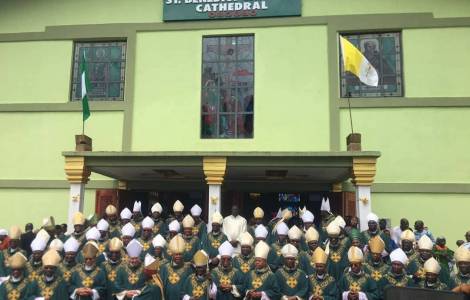
Abuja (Fides News Agency) – “Neo-paganism is a challenge for the nation.” This is the alarm raised by the Nigerian Bishops in a message published at the conclusion of their Second Plenary Assembly. According to the document sent to Fides, it is “an attitude that involves a growing trend where believers and especially youths return to idle worship, due largely to economic hardships, cultural revival, and shallow Christian formation. Since modern neo-paganism spreads rapidly through internet culture, media engagement, and books, we encourage pastoral agents to intentionally incorporate the use of digital spaces, social media, and online catechesis in teaching the truth of the Gospel.”
The Bishops also expressed concern over the insecurity that continues to affect large areas of Nigeria and is increasingly impacting schools and students. “We note with concern that the invasion of schools and places of worship and abduction or even killing of students and worshippers still go on,” they write. “More so, the massive displacement of communities in some parts of our nation has taken a toll on the social, economic and political lives of our people, with millions of people in IDP (Internally Displaced Persons) camps across the country.”
“We enjoin Government to intensify efforts and impactful actions to enable the displaced persons return to their ancestral homes. We equally urge government at all levels to ensure that all people including migrants and refugees are treated with respect and human dignity with their basic rights and needs guaranteed and respected.”
The message also calls on the Government to strengthen the security forces, enhance intelligence activities, and bring those responsible for the attacks to justice. At the same time, the Bishops call on the population to “report suspicious activities, cooperate with security agencies, and reject ethnic or religious divisions.”
In Nigeria, there is currently a debate about the creation of state police forces to work alongside the federal police. The bishops have expressed their support for the initiative, but have called for “such a reorganisation to be deployed for the common good rather than for personal, ethnic, political and religious interests.”
Regarding the bill regulating foreign funding to private entities, the Bishops warned that, if passed, it “will have a negative impact on society”. This is because “some provisions require registration of foreign aid resources and mandate authorities to supervise the use of the resources. These sound good but have the potentials to adversely affect churches, mosques, schools, and humanitarian groups that provide critical aid in conflict-affected or vulnerable groups.”
“This Bill, which allows authorities to deny registration or refuse renewals if an organization's work is deemed "not in the national interest", gives broad, undue discretionary powers to government officials,” the Bishops said.
“We, therefore, request the National Assembly and the federal government not to proceed with the processes of making this Bill into law in the interest of fundamental rights of association and freedom of religion, thought and conscience, and the overall development of our people and nation.”
Finally, ahead of the 2027 general elections, the Catholic Bishops’ Conference of Nigeria has called for a period of fasting and prayer, including Rosary processions, from October to December 2026. On 8 December 2026, a special national day of prayer and fasting will be observed for the peaceful and successful conduct of the elections.
(L.M.) (Fides News Agency, 18/9/2026)